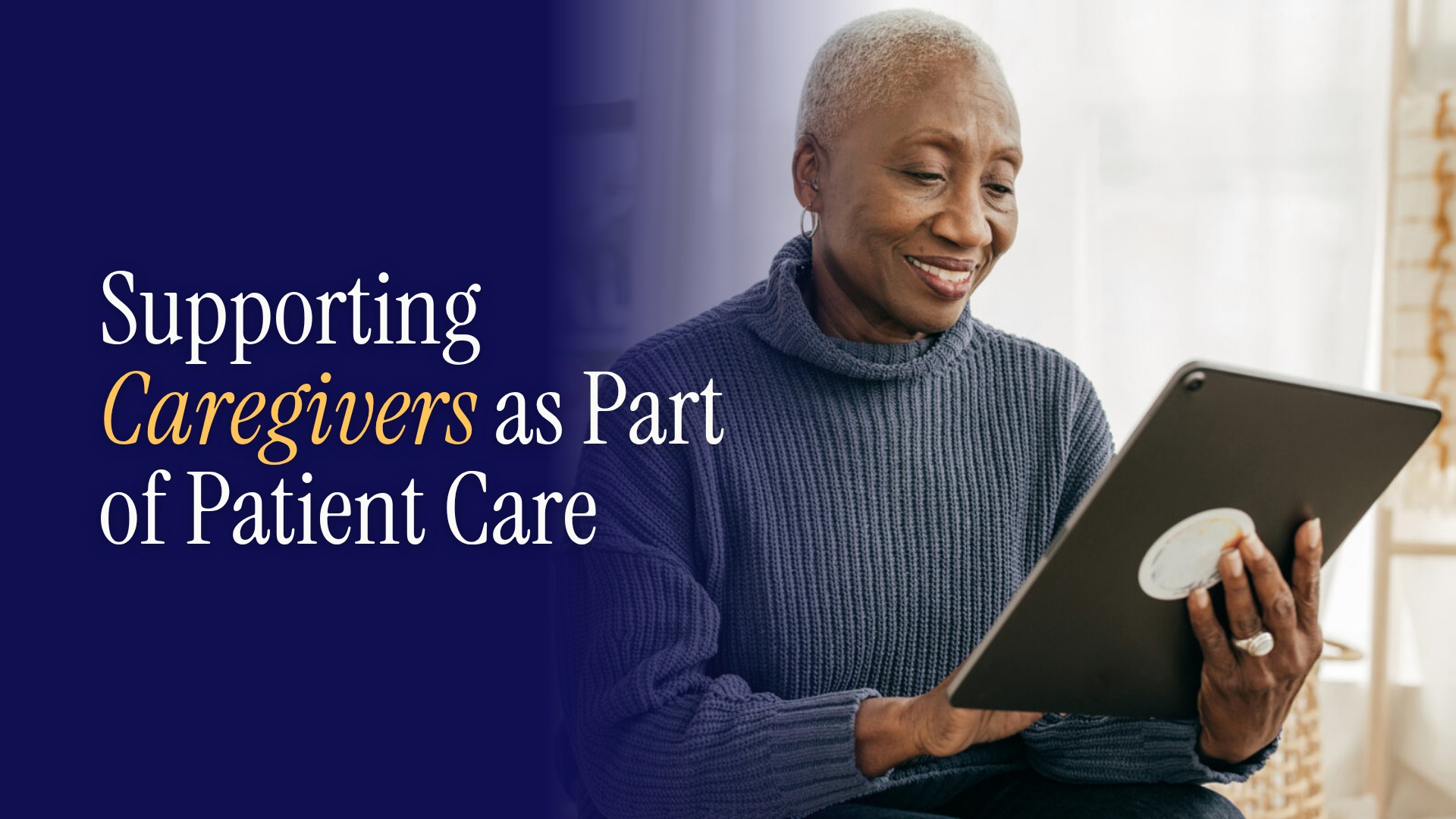
Family members and friends often make a patient’s care possible, but their own needs can go unnoticed. Recognizing caregivers and connecting them with support is part of caring for the patient. Baycrest’s free C-CART tool gives caregivers personalized resources and gives clinicians a simple next step.
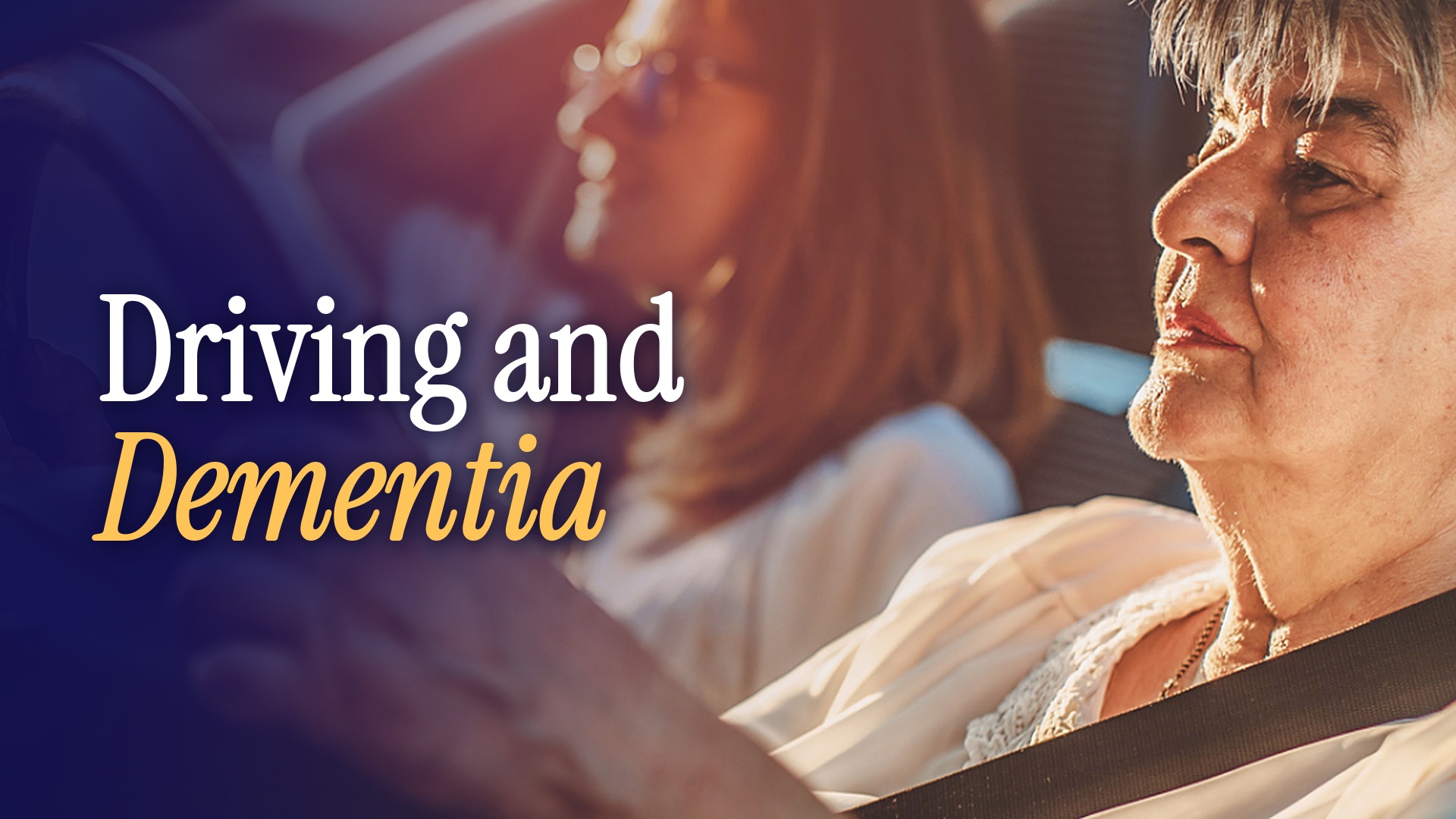
Driving means freedom, connection and a sense of self. Here is how to recognize when dementia is making it unsafe, how to talk about it with care, and where Canadian families can find free, practical help.
Caregiving with siblings can leave one person doing everything. Learn how to divide tasks, involve distant siblings, and reduce caregiver burnout.

Think about the last time you went for a walk or jog to clear your head after a stressful day. You probably noticed that you felt a little calmer, more...

How one family taught a ten-year-old about giving: a Grandfather's challenge, a school project, and a gift to Baycrest. First in our Why We Give series.

New research into the muscle-brain axis reveals that your skeletal muscles are an endocrine organ — releasing hormones that cross the blood-brain barrier, build new neurons, and fight neuroinflammation.