Brain Matters · Advanced Therapeutics
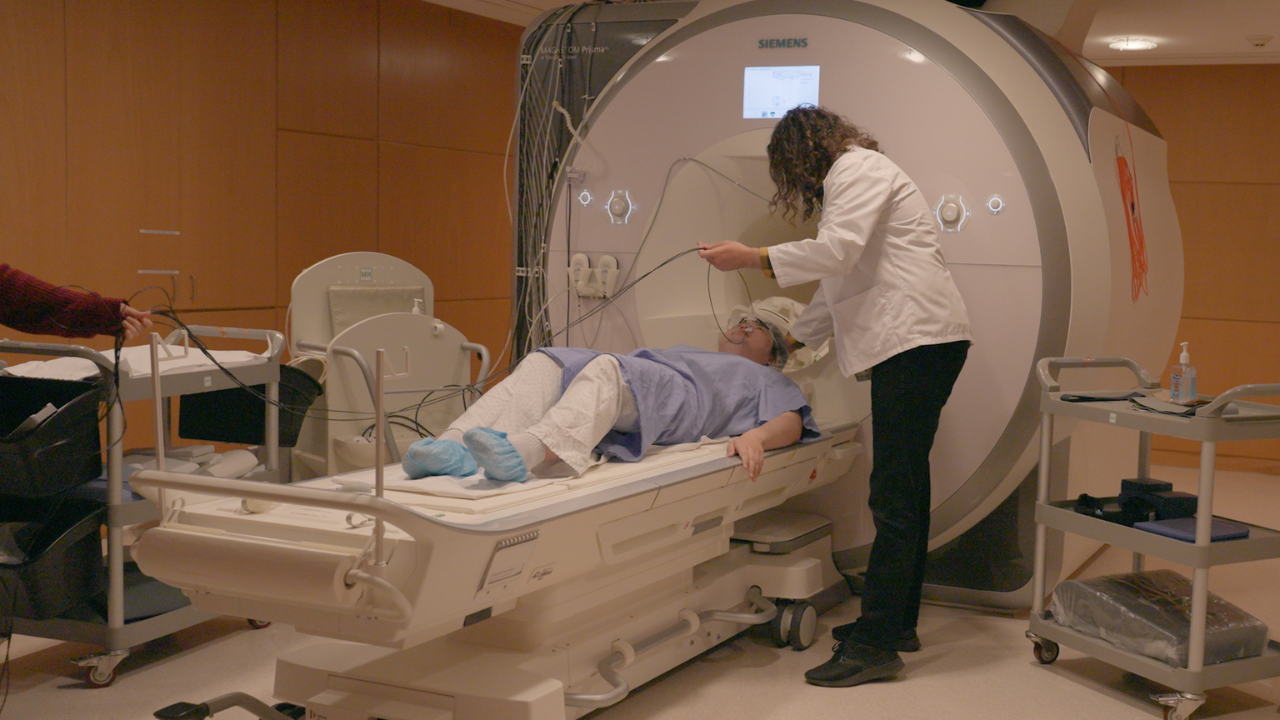
Baycrest scientists are using gentle magnetic pulses to ask a bold question: can stimulating the brain help prevent or slow dementia?
The short answer
Transcranial magnetic stimulation (TMS) uses a magnetic coil near the head to switch on brain cells in one area. It is already approved in Canada to treat depression. Baycrest is testing whether it can also protect memory and lower dementia risk. The work starts with older adults whose depression has not lifted with medicine.
- TMS needs no surgery, anesthesia or recovery time.
- Long-lasting depression can raise the risk of dementia.
- A faster schedule fits six weeks of treatment into one week.
- Baycrest also uses TMS to study recovery after stroke.
Can gentle magnetic pulses help prevent or slow dementia? Baycrest scientists are finding out. Dr. Linda Mah and Dr. Jed Meltzer lead this work in the Bresver Neuromodulation & Therapeutics Program. It is one part of Baycrest’s wider neuromodulation research at Baycrest (opens in a new tab).
What is TMS?
Transcranial magnetic stimulation (TMS) is a non-invasive treatment. A small coil near the scalp sends focused magnetic pulses into the brain. The pulses switch on brain cells and help balance networks for mood, motivation and memory. TMS is already approved in Canada for treating depression.
What does TMS feel like?
Many people describe it as a light tapping on the head. Unlike deep brain stimulation, TMS needs no surgery, no anesthesia and no recovery time.
How could treating depression help prevent dementia?
Long-lasting depression can do more than affect mood. Studies show it can raise the risk of dementia. It likely disrupts brain networks for memory, attention and emotion.
Baycrest scientists hope TMS can lift mood, restore healthy brain activity and protect against future memory loss. Their work starts with older adults whose depression has not improved with medication.
What is Baycrest’s TMS trial testing?
The first trial targets the anterior cingulate cortex. This deep brain region helps control emotion and focus. The trial uses a newer schedule called accelerated intermittent theta-burst stimulation. It fits six weeks of treatment into one week of daily sessions.
Early findings are promising. Stimulating this region appears to improve mood, attention and decision-making, and it may help preserve memory and thinking.
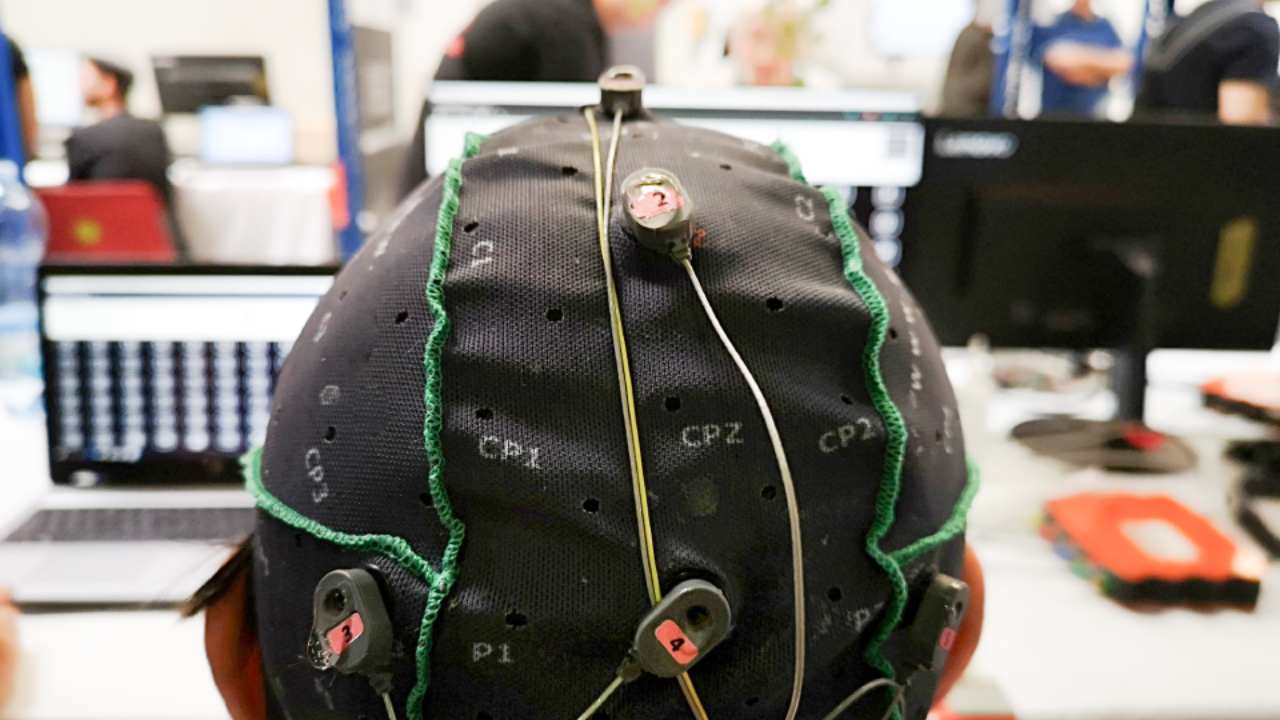
Dr. Meltzer and Dr. Mah are also testing deep TMS. It uses a helmet to reach deeper brain areas tied to mood and memory. With donor support, the team runs trials in late-life depression and early memory concerns. Stimulation is paired with computer brain training.
How does Baycrest use TMS after a stroke?
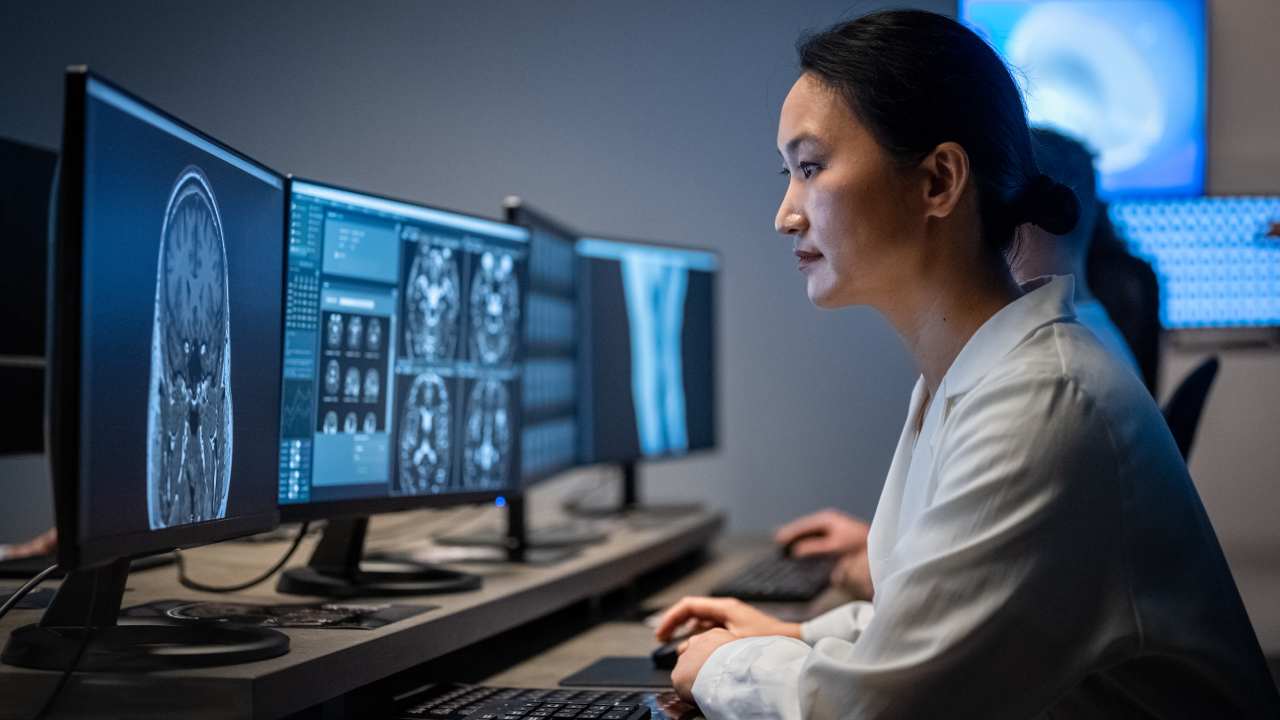
Dr. Meltzer’s team uses TMS to study and support stroke recovery. They use magnetoencephalography (MEG), a scan that records brain activity as it happens. After a stroke, they often see slowed activity near the injury. The other side of the brain is often too active. TMS lets them calm or boost one area and watch the effect. In some cases, calming an overactive area on the healthy side improves speech or movement.
What comes next for TMS research at Baycrest?
The goal goes beyond easing symptoms. TMS could help build cognitive reserve. That is the brain’s ability to stay strong and flexible even when disease is present. A stronger reserve could help delay Alzheimer’s disease and related dementias.
Researchers also plan to explore portable TMS devices for home use. That would make treatment easier to reach.
Questions and answers about TMS
Is TMS approved in Canada?
Yes, for treating depression. Its use to protect memory or prevent dementia is still being studied.
Does TMS hurt?
TMS is non-invasive and needs no anesthesia. Many people describe the pulses as a light tapping on the head.
What is deep TMS?
Deep TMS uses a helmet to reach brain areas deeper than standard TMS can. Baycrest is testing it in late-life depression and early memory concerns.
Can TMS be used at home?
Not yet. Baycrest researchers plan to explore whether portable, home-based devices are possible.
How can I take part in a TMS study?
Baycrest lists current studies on its Joining a Clinical Trial page (opens in a new tab) with details on how to take part.
Sources
- Baycrest. Transcranial Magnetic Stimulation (TMS) (opens in a new tab). Undated.
Help Baycrest protect the aging brain
Donors fund Baycrest’s deep TMS trials in late-life depression and early memory concerns.
Related Articles: Brain Matters, Neuromodulation, Therapeutics, Research