Brain Matters · World Alzheimer’s Month
Driving and Dementia: When Is It Time to Stop Driving, and How Do You Talk About It?

Driving means freedom, connection and a sense of self. Here is how to recognize when dementia is making it unsafe, how to talk about it with care, and where Canadian families can find free, practical help.
The short answer
A dementia diagnosis does not always mean someone must stop driving that day, but dementia gradually affects memory, attention, judgment and reaction time, so most people will eventually need to stop. Regular check-ins, a professional driving evaluation and early, respectful family conversations make the change safer and easier.
- Watch for getting lost, close calls, missed signs and passengers who feel uneasy.
- Start talking early, and keep the person living with dementia at the centre of every decision.
- The free Driving and Dementia Roadmap, developed with Baycrest expertise, offers step-by-step guidance.
For many people, the car is where life happens: a quiet talk on the drive home, a last-minute trip to see a grandchild, an errand run for a neighbour. That is why changes in driving are among the hardest parts of a dementia diagnosis, for the person living with it and for everyone who loves them. Families rarely know when to raise the subject, what to say or what comes after. The good news is that no one has to figure it out alone.
Can a person with dementia still drive?
Sometimes, for a period of time, but not indefinitely. Dementia affects the brain functions that safe driving relies on, including memory, attention, decision-making, spatial awareness and reaction time. How quickly those skills change depends on the type of dementia, which parts of the brain are affected and how far it has progressed. Some people can keep driving safely for a while after diagnosis; others need to stop right away. According to the Driving and Dementia Roadmap, the risk of a crash rises the longer a person continues driving after diagnosis, and short trips to familiar places are not automatically safe.
What are the warning signs that driving is no longer safe?
The clearest signs are changes that show up on real trips. Pay attention if the person:
- gets lost or confused on routes they know well
- has near misses, or other drivers honk at them more often
- misses stop signs or red lights, or stops when the light is green
- drifts between lanes, struggles to merge or turn, or drives much too fast or slow
- seems anxious behind the wheel, or friends and family no longer want to ride along
Because dementia can make it harder to notice one’s own changes, it helps to have a trusted person ride along regularly and to ask a doctor about a formal driving evaluation. That evaluation is usually led by an occupational therapist, and it is not the same as a standard licence road test.
How do you start the conversation about driving?
Start early, before there is a crisis, and lead with empathy. The best messenger is usually someone the person trusts who also understands their health, such as a partner, an adult child or the family doctor. Ask open questions: How important is driving to you? Have you thought about when you might stop? How would you like to get around if you did? Expect sadness or anger, and expect to return to the topic more than once. Involving the person in the plan protects their dignity and sense of control.
Ron Posno, an advocate living with Alzheimer’s disease, stopped driving after a frightening incident, turned in his licence and donated his car. He has encouraged others living with dementia to speak openly with the people close to them.
Who decides whether someone can keep driving in Ontario?
In Ontario, physicians, nurse practitioners and optometrists are required to report certain high-risk medical conditions and impairments that make driving dangerous to the Ministry of Transportation, and occupational therapists may also report concerns. The ministry then decides on the person’s licence, which can include a suspension. If you are worried about someone’s driving, the Ontario government suggests raising it with their doctor. Rules vary across Canada, so check with your provincial or territorial licensing authority.
How can someone stay independent without a car?
Plan the transition before the keys are handed over. List the trips that matter most, then match each one to another option: rides from family or friends, community driving programs, taxis or accessible transit with someone meeting them at the other end, grocery and pharmacy delivery, and home visits for services like haircuts. Stopping driving can affect a person’s identity, relationships and role in the family, so protect the social outings, not just the errands.
What is the Driving and Dementia Roadmap?
The Driving and Dementia Roadmap is a free, first-of-its-kind Canadian website that guides people living with dementia, family and friends, and health-care providers through decisions about driving. Created by researchers and clinicians from Baycrest, Sunnybrook Health Sciences Centre and the Canadian Consortium on Neurodegeneration in Aging, together with people with lived experience, it offers self-check questions, conversation planners, videos, worksheets and provincial information on licensing and transportation, in English and French.
What are Baycrest researchers learning about driving and dementia?
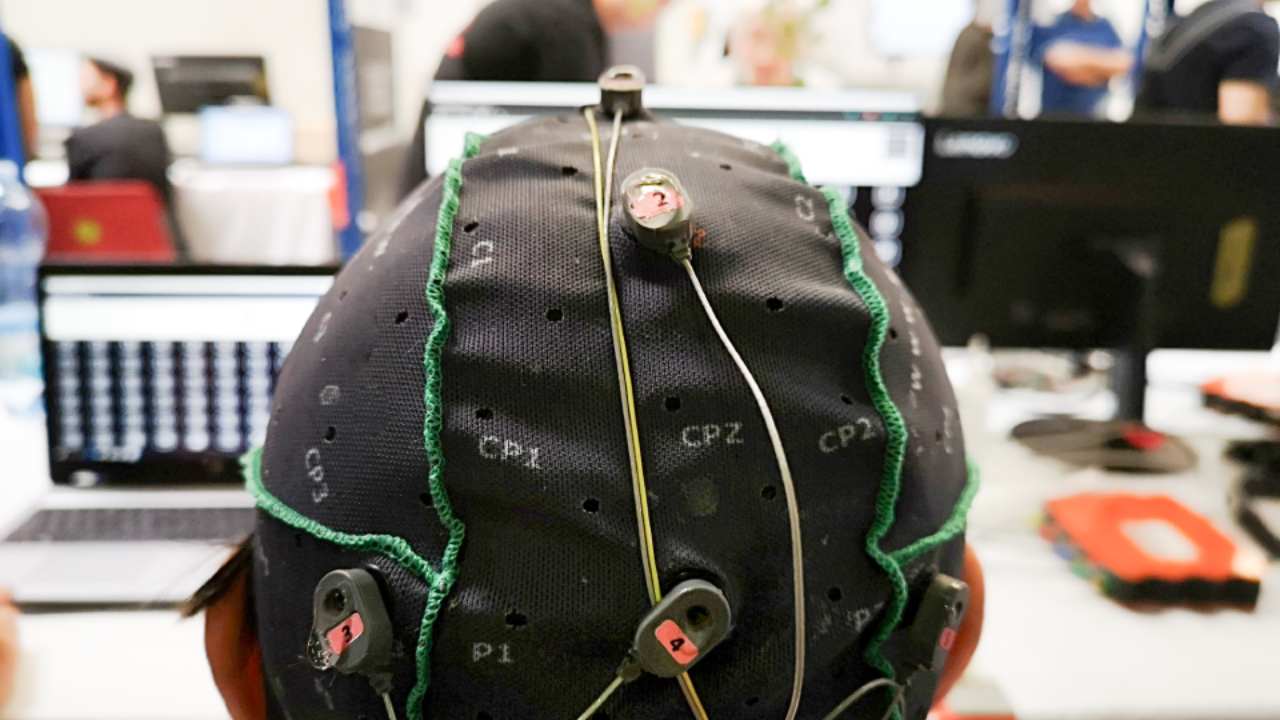
Researchers from Baycrest, Sunnybrook Health Sciences Centre and the University of Calgary are studying whether an in-vehicle Driving Monitoring System can pick up differences in everyday driving between healthy older adults, people living with mild cognitive impairment and people living with mild dementia. Today, cognitive tests and on-road evaluations help judge fitness to drive, but they capture a single moment. Real-world driving data could add a fuller picture. Earlier studies elsewhere have found that subtle changes in everyday driving, recorded by GPS devices, can help distinguish older drivers who have early Alzheimer’s-related brain changes from those who do not (1).
What the evidence can and cannot tell us
In-vehicle monitoring is a promising research tool, not a diagnostic test. The studies so far are small, and they show that driving patterns are linked with brain changes at a group level. They cannot yet tell an individual whether they have dementia or whether they are safe to drive. For now, those decisions rest with health-care providers and formal driving evaluations.
How can I take part in driving research?
Baycrest is looking for volunteers for ongoing research on driving and cognitive health. To learn more, contact Christopher Pilieci at 416-785-2500 ext. 6213.
Questions and answers about driving and dementia
Does a dementia diagnosis mean you have to stop driving right away?
Not always. Some people can drive safely for a while after diagnosis, while others need to stop at the time of diagnosis. Because dementia progresses, most people will eventually lose the ability to drive safely, so driving should be checked regularly with a health-care provider and the family.
What are the early signs that someone with dementia should stop driving?
Common signs include getting lost on familiar routes, close calls, missing stop signs or signals, trouble staying in a lane or merging, other drivers honking, new dents on the car, and passengers feeling uneasy. A few of these together is a signal to talk and to arrange a driving evaluation.
Who should talk to a person with dementia about driving?
Ideally someone the person trusts who also knows their health and how they drive, such as a partner, adult child, close friend or family doctor. Start early, keep the person involved in decisions, and expect the conversation to happen more than once.
Do doctors in Ontario have to report dementia to the Ministry of Transportation?
Physicians, nurse practitioners and optometrists in Ontario must report certain high-risk medical conditions and impairments that make driving dangerous, and occupational therapists may report concerns. A report can lead to a licence suspension. Rules differ in other provinces and territories, so check with your local licensing authority.
What is a driving evaluation for people with dementia?
It is a specialized assessment, often called a functional or comprehensive driving evaluation, usually led by an occupational therapist with a driving instructor. It reviews health and driving history, tests the skills driving depends on, and includes an on-road drive. It is different from a regular licence road test.
How can someone with dementia stay independent after they stop driving?
Plan ahead. Map the trips that matter most and match each one to another option: rides from family or friends, community driving programs, accessible transit or taxis with someone meeting them, home delivery and home visits. Keeping social outings on the calendar protects connection, not just transportation.
Research referenced
- Bayat S, Babulal GM, Schindler SE, Fagan AM, Morris JC, Mihailidis A, Roe CM. GPS driving: a digital biomarker for preclinical Alzheimer disease. Alzheimer’s Research & Therapy. 2021;13(1):115. doi:10.1186/s13195-021-00852-1
Further reading
- Driving and Dementia Roadmap. drivinganddementia.ca
- Government of Ontario. Reporting for driver medical review. ontario.ca
Find your next step on the road ahead
Whether you are living with dementia, caring for someone who is, or supporting patients, the free Driving and Dementia Roadmap has guidance built for you.
Explore the Roadmap Support brain health research at BaycrestRelated Articles: Brain Matters, Research, Education