Brain Matters · Food and Brain Health
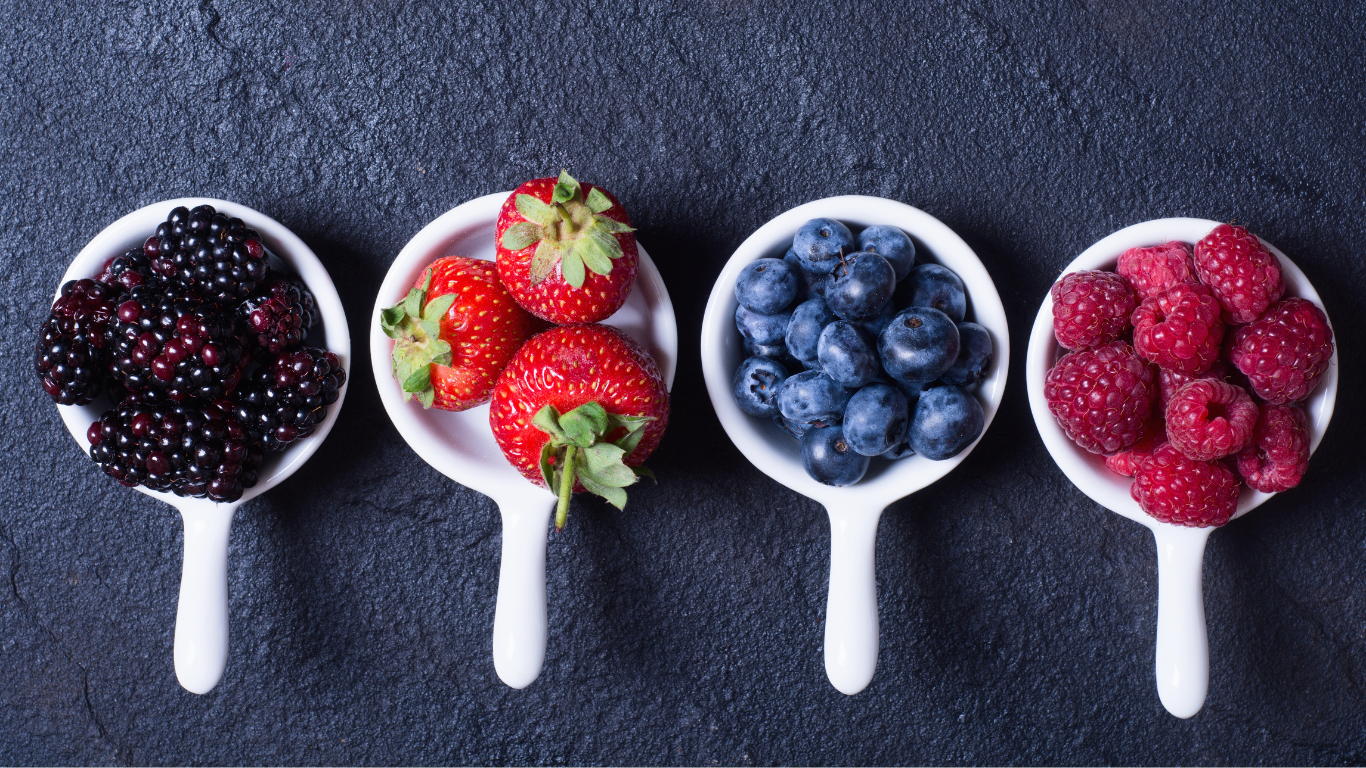
Berries are one of the easiest brain-friendly foods to add to your day. Here is what makes them good for the brain, which nutrients matter, and simple ways to eat more of them.
The short answer
Berries are good for your brain because they are rich in antioxidants called flavonoids, including anthocyanins, the pigments that give blueberries and blackberries their colour. Flavonoids help fight oxidative stress and inflammation, both linked to cognitive decline, and diets rich in flavonoid foods have been linked to better thinking with age.
- Blueberries, blackberries, raspberries and strawberries all count.
- Fresh or frozen both work.
- Berries are one part of a healthy diet, not a treatment for memory loss.
A sharper mind could start with your breakfast bowl. Berries are more than a sweet treat: they are loaded with antioxidants, vitamins and other nutrients that support brain health.
Why are berries good for your brain?
Berries are rich in antioxidants, especially flavonoids, which fight oxidative stress in the brain. Oxidative stress, caused by unstable molecules called free radicals, damages healthy cells and contributes to cognitive decline. Anthocyanins, the flavonoids behind the deep blue and purple colour of many berries, are among the most studied.
Research suggests that people who eat more flavonoid-rich foods, like berries, tend to have better cognitive performance as they age.
Do berries help memory?
Studies, particularly of blueberries, suggest berries may support memory and thinking, especially in older adults. One reason may be that their antioxidants support healthy blood flow to the brain, which delivers the oxygen and nutrients the brain needs for focus and memory.
Can berries reduce inflammation in the brain?
They may help. Chronic inflammation is linked to cognitive decline and dementia. Berries contain polyphenols, plant compounds with anti-inflammatory properties, which makes them a good choice as part of an anti-inflammatory eating pattern.
Which berries are best for brain health?
Blueberries are the most studied, but blackberries, raspberries and strawberries all provide flavonoids, polyphenols and vitamin C. Variety is a good approach: different berries offer different mixes of nutrients. Frozen berries are just as useful and are often cheaper.
How can you eat more berries?
- Smoothies: blend berries with yogurt, spinach and milk or a plant-based drink.
- Oatmeal: add fresh or frozen berries to your morning oats.
- Snacks: keep a container of washed berries handy.
- Salads: toss strawberries or blueberries into a green salad.
- Dessert: mix berries into Greek yogurt with a little honey.
Small changes add up. Eating berries is one of the easiest ways to add brain-friendly nutrients to your diet, alongside regular exercise, good sleep and staying socially active.
Questions and answers about berries and brain health
Are blueberries good for your brain?
Yes. Blueberries are rich in anthocyanins, antioxidants that help fight oxidative stress and inflammation. Studies suggest they may support memory and thinking, especially in older adults.
What are the best berries for brain health?
Blueberries are the most studied, but blackberries, raspberries and strawberries also provide brain-friendly flavonoids, polyphenols and vitamin C. Eating a variety is a good approach.
Are frozen berries as good as fresh?
Yes, frozen berries keep their nutrients well and are a convenient, often cheaper way to eat berries year-round.
Can berries prevent dementia?
No single food prevents dementia. Berries are one part of a healthy diet that, together with exercise, sleep and social connection, supports long-term brain health.
Support brain health research
Your gift helps Baycrest scientists learn how everyday habits like diet protect the aging brain.
Related Articles: Brain Matters