Research
The short answer
Baycrest research drives three of the four pillars in the fight against dementia: preventing it, detecting it sooner and finding better treatments. The work happens at the Rotman Research Institute, the Kimel Family Centre for Brain Health & Wellness and the Anne & Allan Bank Centre for Clinical Research Trials. Baycrest is also the scientific headquarters of the Canadian Consortium on Neurodegeneration in Aging, Canada’s largest dementia research network.
- #1in Canada for researcher intensity
- 148ongoing research studies
- $30.6Min research funding spent in 2024/25
- 400+researchers in the national dementia network headquartered at Baycrest
Sources: Research Infosource, Canada’s Top 40 Research Hospitals; Baycrest Academy for Research and Education 2023 to 2025 Impact Report.
Research focusPrevention: lowering the risk of dementia
Studies estimate that up to 45% of dementia cases worldwide could be prevented or delayed by addressing risk factors such as hearing loss, high blood pressure, physical inactivity and social isolation. These are population estimates, not a promise for any one person, but they show how much is within reach.
- The Kimel Family Centre for Brain Health & Wellness is the world’s first research-based community centre for dementia prevention. Adults 50 and older get a dementia risk assessment and a personal plan for physical activity, nutrition, brain-stimulating activity, mental well-being and social connection. In 2025, 382 people took part in the Centre’s research. Early results show lower dementia risk scores and better cognition within six months; the full study follows people for two years. Visit the Kimel Centre.
- Brain Health PRO is a free, bilingual online program that helps people work on seven areas of brain health over 45 weeks. It is part of CAN-THUMBS UP, a national dementia prevention study.
- Hearing and the brain. Hearing loss is one of the largest risk factors people can change. Baycrest scientists study how hearing shapes brain health, and Baycrest offers a free online hearing screen.
Next, Baycrest scientists are working on personal risk scores that use AI to combine brain imaging, cognitive tests and lifestyle data, so prevention can start years before symptoms.
Research focusEarly Detection: spotting memory change sooner
The earlier changes in the brain are found, the more time people have to plan, join a clinical trial and start treatment. Baycrest scientists are testing new ways to find them.
- Eye tracking. Dr. Jennifer Ryan’s team studies whether the way our eyes move can flag memory change, including with a regular webcam. Because it doesn’t rely on words, it could work for people who speak any language.
- Memory and imagination. Dr. Morgan Barense and Dr. Donna Rose Addis study how changes in perception, memory and imagination may reveal Alzheimer’s disease before everyday memory fails.
- Everyday speech. A 2025 study from Baycrest, the University of Toronto and York University found that pauses and word-finding in natural speech are linked to how well people plan and focus. It is a research signal, not a diagnostic test.
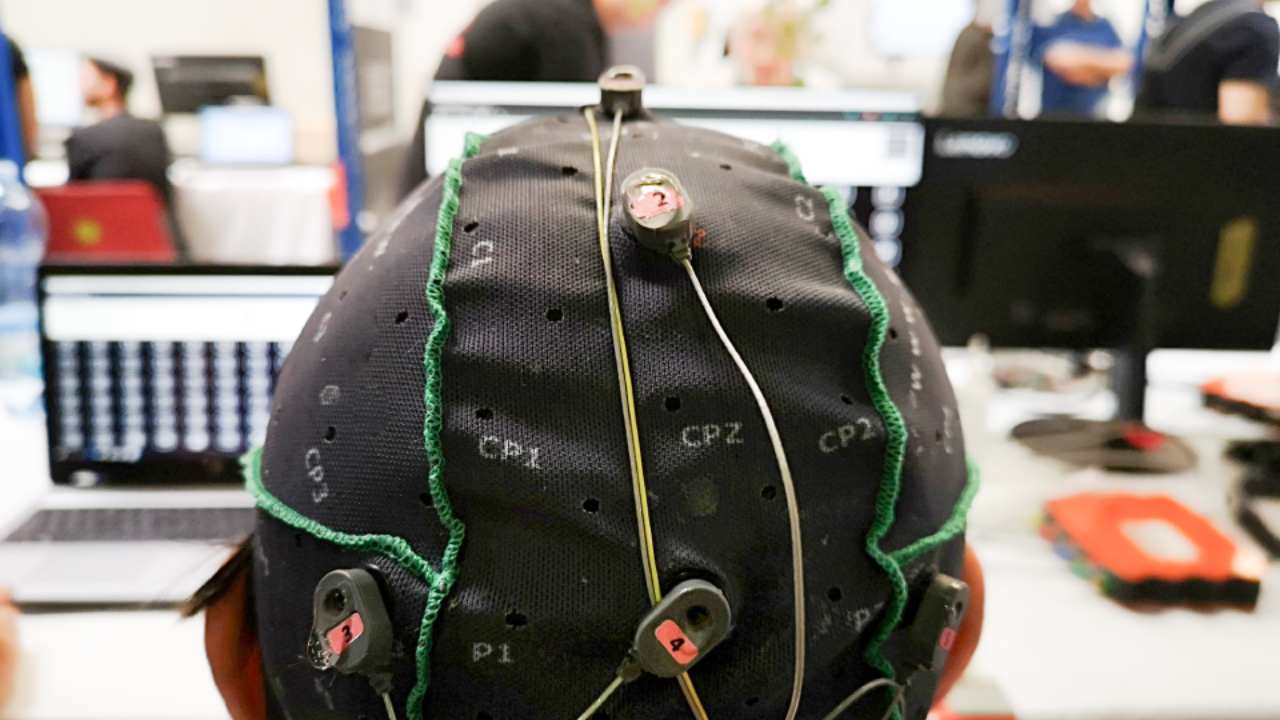
- Brain imaging. The Rotman Research Institute uses MRI, EEG and MEG to see how the brain changes over time.
- AI. Baycrest is building tools that bring these signals together, so one picture can point to risk sooner and more accurately.
For people worried about their memory today, the route is the Sam and Ida Ross Memory Clinic, by referral from a doctor or nurse practitioner.
Research focusAdvanced Therapeutics: testing better treatments
The Anne & Allan Bank Centre for Clinical Research Trials, led by cognitive neurologist Dr. Howard Chertkow, tests both drug and non-drug treatments for dementia and gives people with memory loss access to new options.
- New medicines. Baycrest runs late-stage trials of new Alzheimer’s drugs and was the top recruiting site among participating Canadian centres for a major trial of donanemab. In 2025, Health Canada authorized lecanemab, the first drug in Canada shown to slow Alzheimer’s in some people with early symptoms.
- Brain stimulation. Researchers are testing gentle, non-invasive stimulation of the brain, including tDCS and deep TMS, to support memory and language.
- Light, training and lifestyle. Light-based therapy, cognitive training and personal lifestyle programs are also being tested. These approaches are promising and still under study.
Next, Baycrest plans to test combinations of treatments that target several causes of dementia at once, and to open an infusion clinic for new disease-modifying drugs.
Leading the national effort
Baycrest is the scientific headquarters of the Canadian Consortium on Neurodegeneration in Aging (CCNA), the largest network of dementia researchers in Canada, with more than 400 researchers. The Canadian Institutes of Health Research approved $20 million over five years for its third phase, focused on prevention, treatment and quality of life.
Recent discoveries
- Your eyes reveal how you remember. Baycrest researchers found that eye movements increase about half a second before people recall specific details of real-life events, a finding that could lead to more sensitive brain health assessments.
- Sights and sounds are stored differently. A 2026 study found that visual memories tend to keep fine detail, while memories of sound are more likely to keep the overall meaning of an experience.
Help speed up the next breakthrough
Every major advance at Baycrest started with a question, a scientist and someone willing to fund the answer.