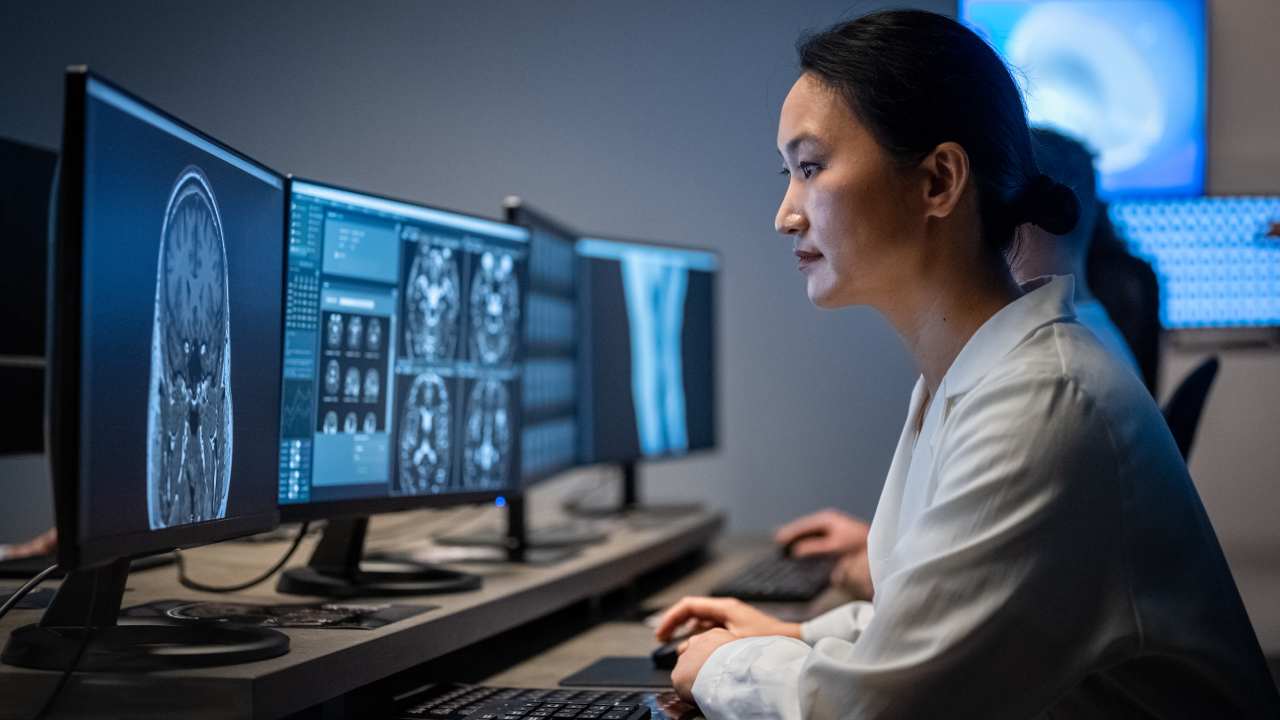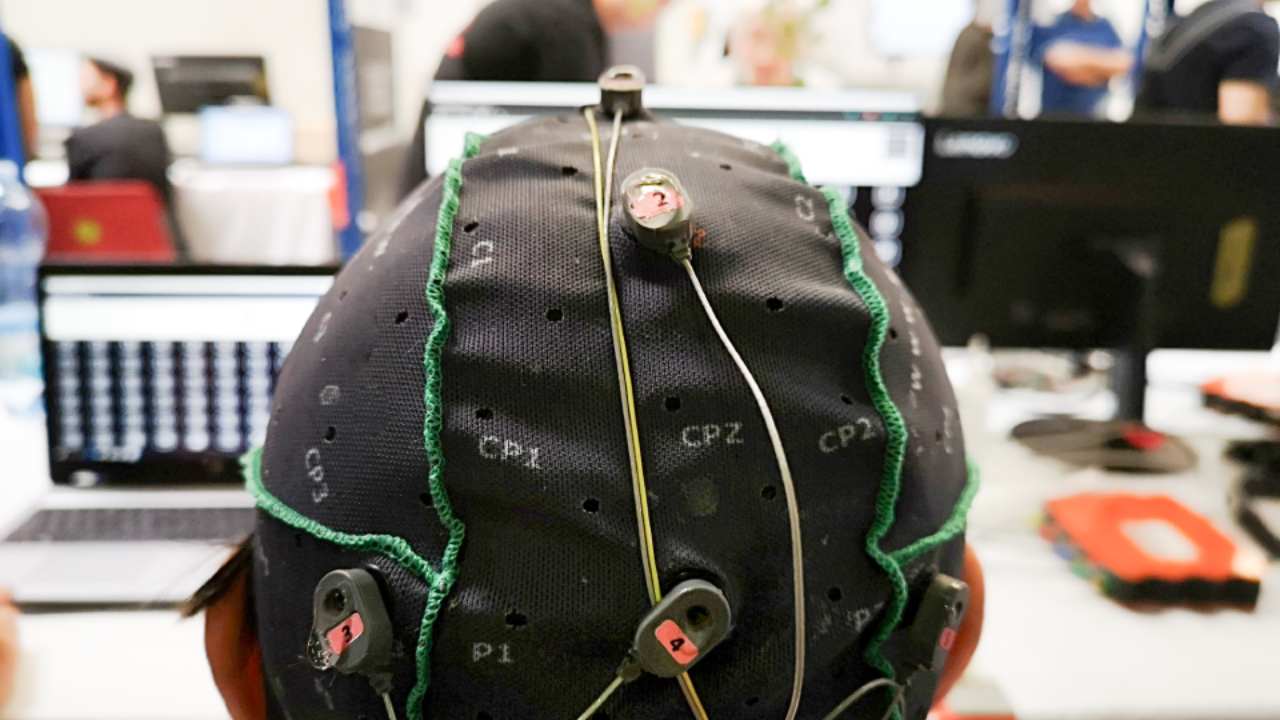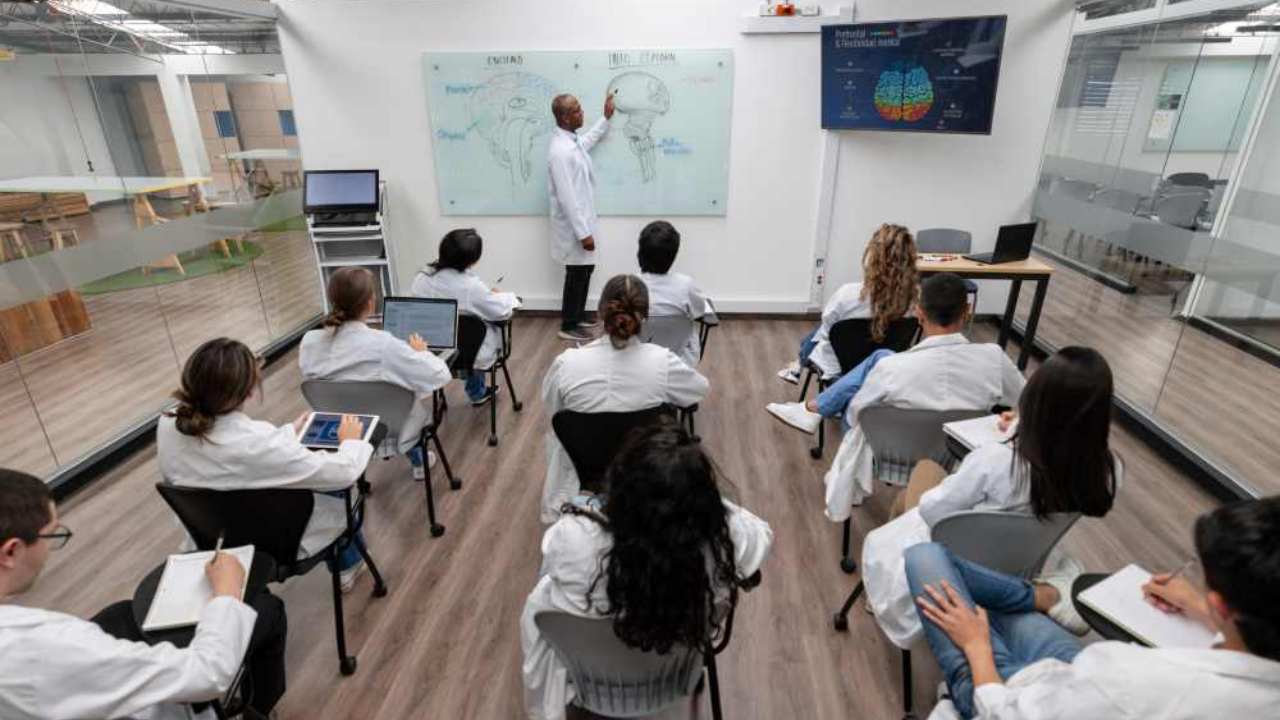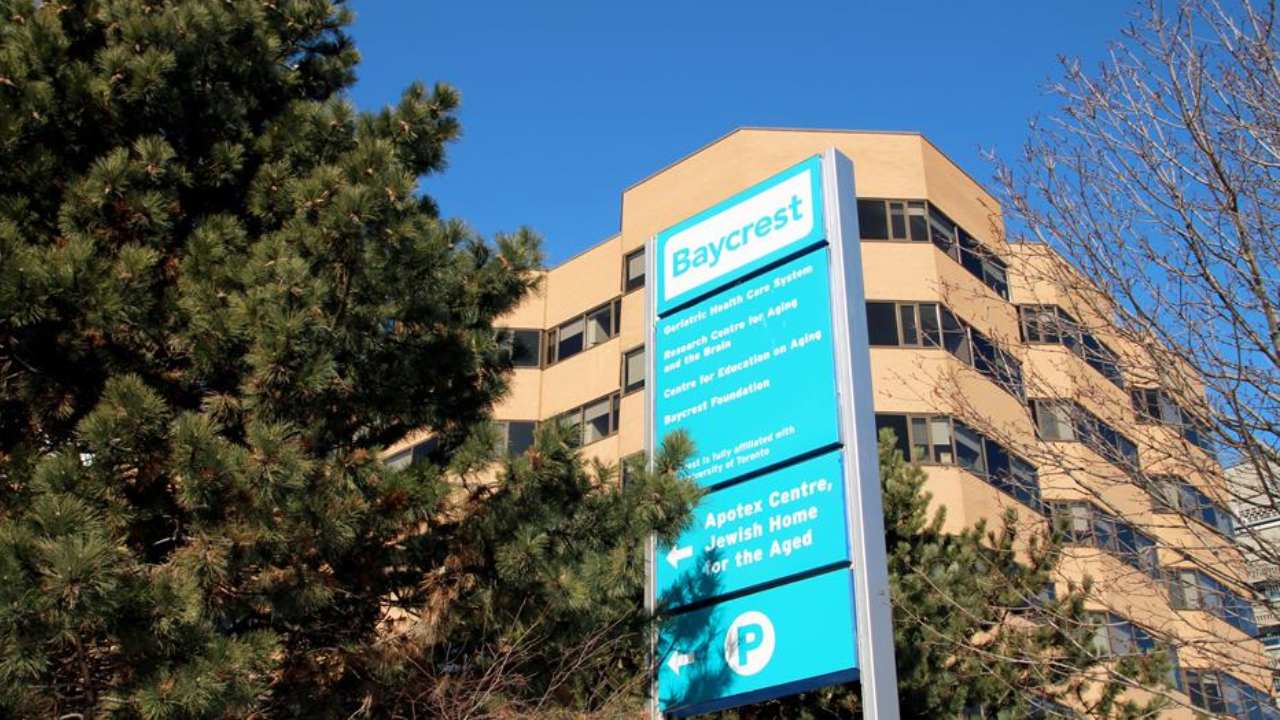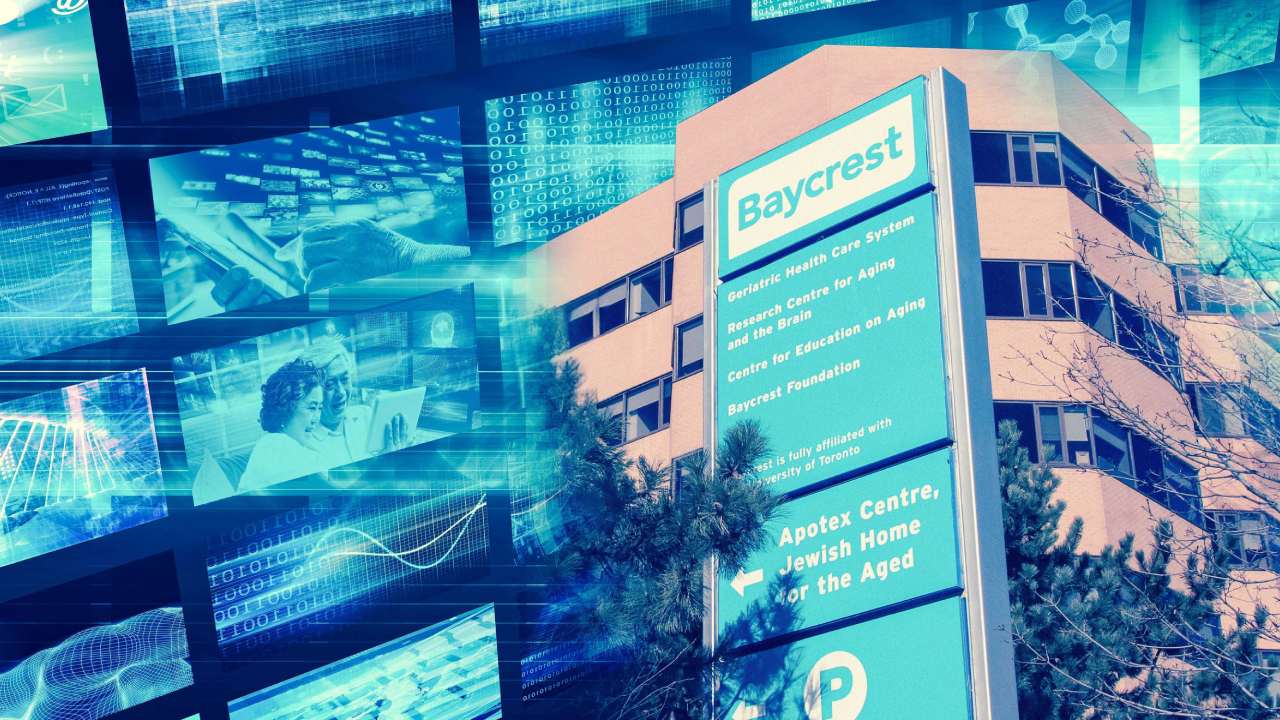
Neuromodulation and dementia research at Baycrest is uncovering new ways to use light therapy, magnetic stimulation and gentle electrical stimulation to support healthier brain aging and improve life for people living with dementia.
Neuromodulation Research Team at Baycrest
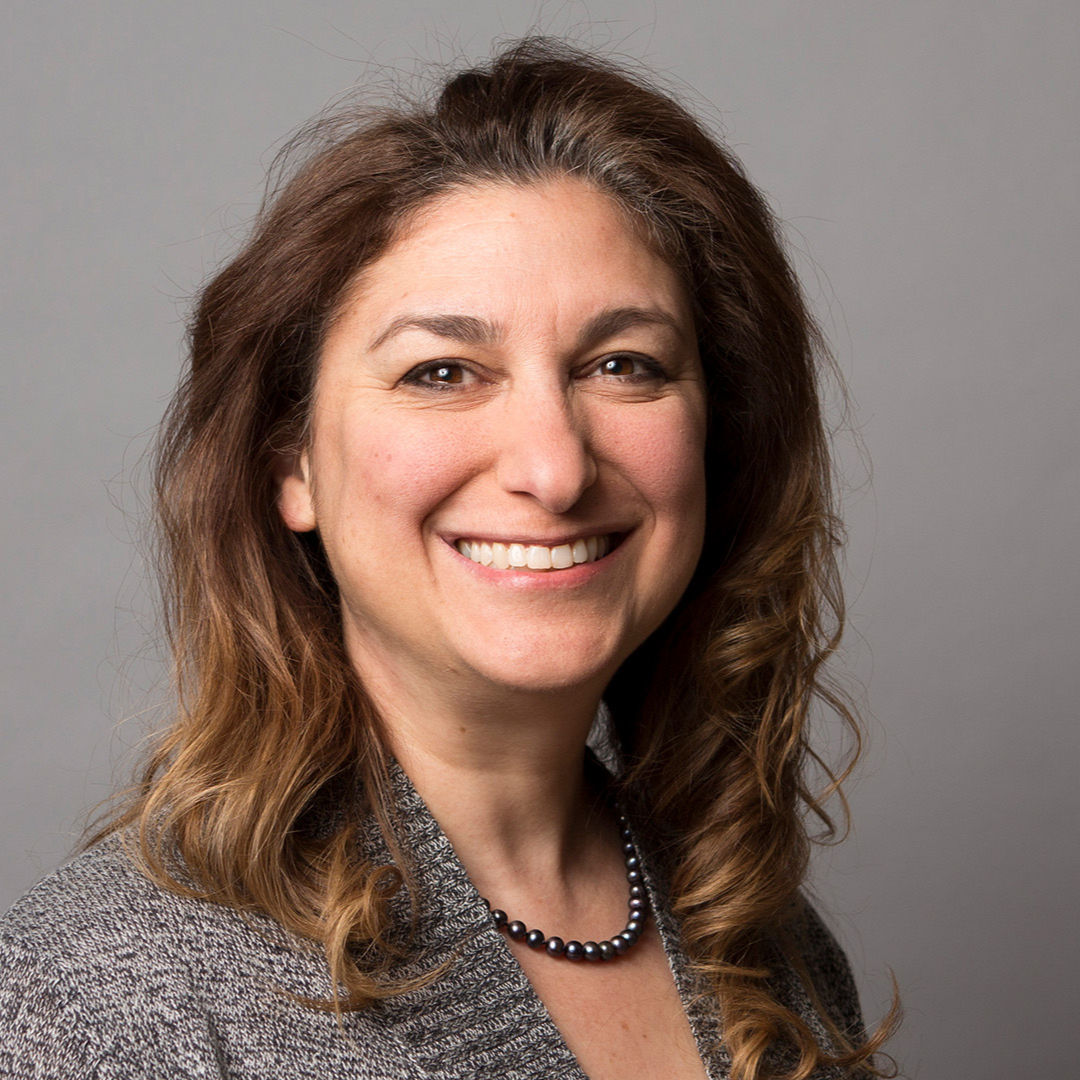
Dr. Allison Sekuler

Dr. Howard Chertkow

Dr. Jean Chen
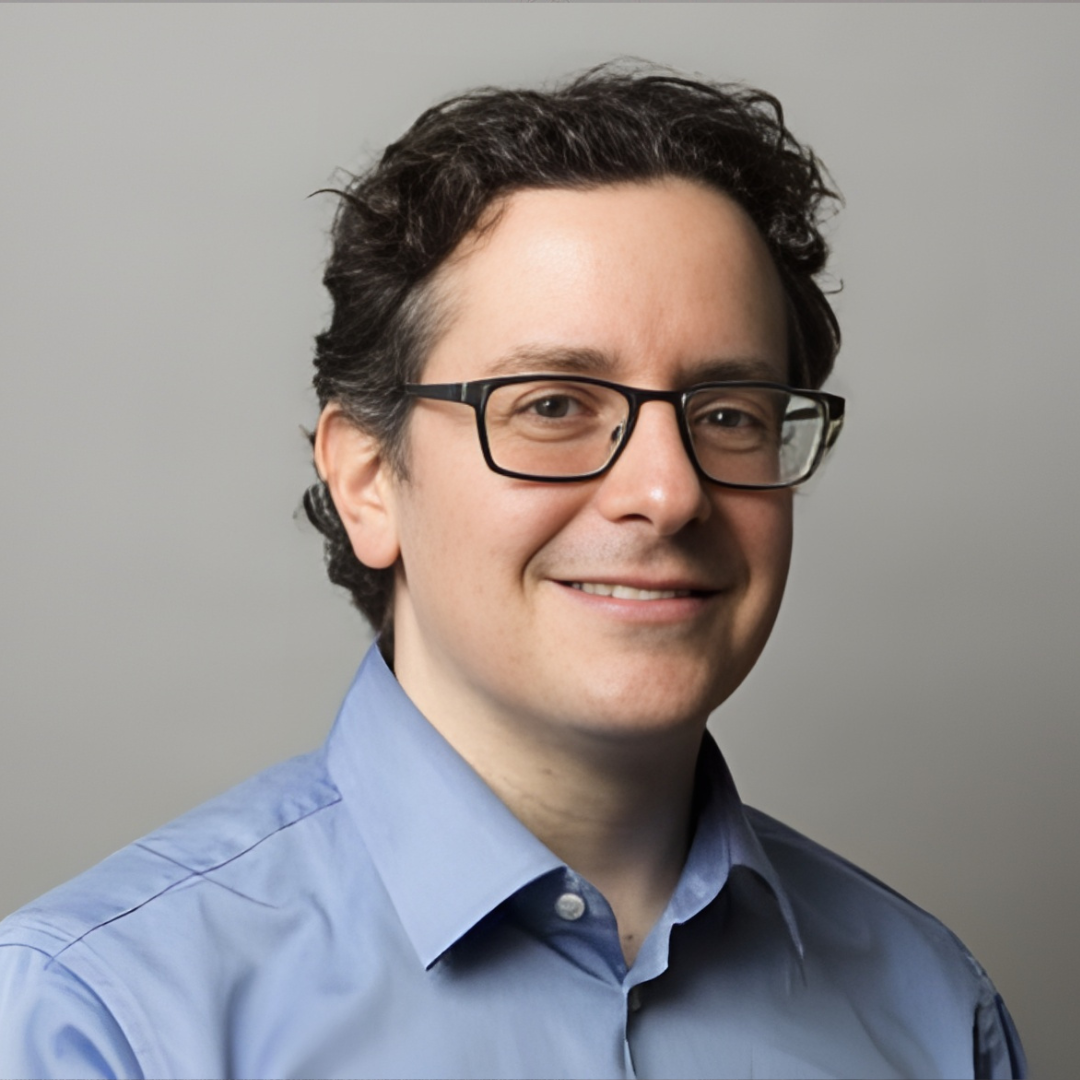
Dr. Jed Meltzer
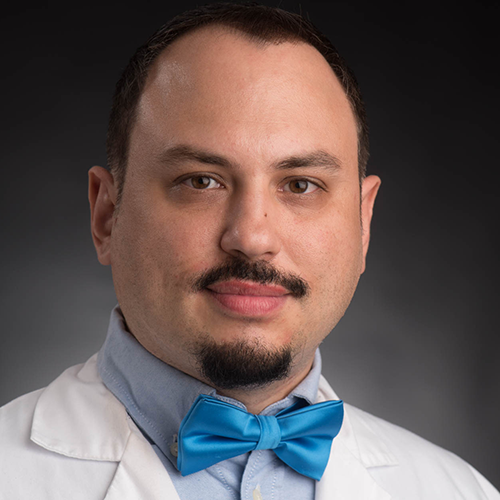
Dr. Tyler Roncero
Why Neuromodulation and Dementia Research Matters for Brain Health
What Is Neuromodulation in Dementia Research?
Neuromodulation refers to techniques that use light, gentle electrical current or magnetic fields to
stimulate specific regions of the brain. The brain uses chemical signals, which many drugs target. However, it also depends on electrical and electromagnetic activity. Neuromodulation taps directly into that second system.
According to Dr. Howard Chertkow, a distinguished cognitive neurologist and senior scientist at Baycrest, neuromodulation offers several advantages:
- It can be non-invasive and delivered without surgery.
- Some approaches are potentially low cost and suitable for at-home use.
- It combines well with lifestyle strategies such as exercise, cognitive training and social engagement.
- It may help with symptom management and, in some cases, with slowing decline.
Therefore, the key question driving Baycrest’s neuromodulation and dementia research is straightforward. Can we find safe and practical ways to help aging brains work better, especially in the context of neurodegenerative diseases?
What Is Neuromodulation in Dementia Research?
stimulate specific regions of the brain. The brain uses chemical signals, which many drugs target. However, it also depends on electrical and electromagnetic activity. Neuromodulation taps directly into that second system.According to Dr. Howard Chertkow, a distinguished cognitive neurologist and senior scientist at Baycrest, neuromodulation offers several advantages:
- It can be non-invasive and delivered without surgery.
- Some approaches are potentially low cost and suitable for at-home use.
- It combines well with lifestyle strategies such as exercise, cognitive training and social engagement.
- It may help with symptom management and, in some cases, with slowing decline.
Therefore, the key question driving Baycrest’s neuromodulation and dementia research is straightforward. Can we find safe and practical ways to help aging brains work better, especially in the context of neurodegenerative diseases?
Photobiomodulation in Neuromodulation and Dementia Research
One of the most visually striking neuromodulation approaches is photobiomodulation. This method uses near-infrared light to stimulate the brain. Dr. Jean Chen, a senior scientist and Canada Research Chair in Neuroimaging of Aging, leads one of the most active photobiomodulation labs in North America.
Some commercial light-therapy devices are already on the market. However, few have been rigorously tested for their impact on the brain. Using advanced MRI, Chen’s team has shown that:
- Carefully calibrated light can penetrate the skull, especially where bone is thinner, such as through the nasal cavity.
- The light’s effect spreads through brain networks. It reaches not only the surface but also deeper structures, including the thalamus, which helps coordinate movement, attention and sensory processing.
- The changes they observe can persist after the light is turned off. This pattern suggests potential for lasting benefit.
- Light stimulation appears to influence the brain’s fluid-clearing system, which helps remove toxins associated with conditions such as Alzheimer’s disease.
In short, this line of neuromodulation and dementia research aims to understand how simple, well-controlled light exposure might support
cognitive health and which individuals are most likely to benefit.
Baycrest is now recruiting adults aged 50 to 80 for a clinical trial using a home-based light-therapy device. Participants will use the device for about 20 minutes a day. Then researchers will track short-term and longer-term effects on brain function and cognition.
Magnetic Brain Stimulation in Dementia and Stroke Research
Dr. Jed Meltzer leads Baycrest’s work with transcranial magnetic stimulation (TMS), which uses magnetic pulses to influence brain activity. His research explores how TMS may help people recover after stroke. It also examines how magnetic stimulation may support people living with dementia, late-life depression or early memory complaints.
Using magnetoencephalography (MEG), Meltzer’s team can measure electrical activity throughout the brain in real time. In people who have had a stroke, they often see two key patterns:
- Abnormal slowing of brain activity around the injured area.
- Over-activation in the opposite hemisphere, which may interfere with recovery.
TMS allows researchers to adjust activity in targeted regions and then observe the effect on both behavior and brain function. For example, in some cases, suppressing overactive regions in the “healthy” hemisphere leads to better language or motor performance.
Baycrest is also testing deep TMS, which uses a special helmet to reach deeper brain structures involved in mood and memory. With donor support, the team is running trials in late-life depression and subjective cognitive decline. In these studies, stimulation is combined with computerized brain training exercises. As a result, this work strengthens the overall neuromodulation and dementia research agenda by showing how brain circuits can be safely modulated in older adults.
tDCS and Neuromodulation for Dementia Symptoms
Dr. Tyler Roncero focuses on transcranial direct current stimulation (tDCS). This portable approach uses a very low electrical current delivered through sponge electrodes placed on the scalp. It is simple and gentle. In the future, some people may be able to use it safely at home under clinical guidance.
In recent studies with people living with dementia, Roncero’s team found several encouraging results:
- Participants who received real tDCS while doing cognitive exercises improved more than those who received placebo (sham) stimulation.
- Brain scans showed increased metabolism in several regions after stimulation. These changes lasted for at least two weeks.
- Families reported that their loved ones seemed more engaged, more alert and more socially active at home.
The strongest benefits appeared in participants who struggled the most with the cognitive tasks. Those already performing well gained less. Therefore, the findings support Baycrest’s vision for precision aging and personalized neuromodulation.
One of the most exciting lines of work focuses on people with progressive supranuclear palsy (PSP). This rare Parkinsonian disorder severely affects walking and has no effective drug treatment. With philanthropic funding, Baycrest expanded a pilot case into a 30-person study using a gait analysis system to measure walking.
When participants with PSP received tDCS while walking:
- Their walking speed improved.
- Their step frequency increased.
- Freezing episodes during walking were reduced.
These results have drawn strong interest from neurologists. In the future, similar approaches may extend to people living with Parkinson’s disease who face comparable mobility challenges. This is a powerful example of how neuromodulation and dementia research can inform treatment options for related neurodegenerative conditions.
Brain Health, Lifestyle and Dementia Prevention
Neuromodulation is only one part of the brain health story. The same webinar highlighted the importance of addressing known lifestyle risk factors for dementia, including hearing loss, vision loss, depression, inactivity and social isolation.
Baycrest’s Kimel Family Centre for Brain Health and Wellness focuses on these preventive strategies. It offers tailored programs in diet, exercise, cognitive engagement and social connection. Treating hearing and vision problems, for example, not only improves daily life but also helps people stay connected and lowers dementia risk.
In addition, neuromodulation sits alongside these interventions. It may enhance the benefits of exercise, therapy and cognitive training. It can also offer a new option when medications are limited, especially in rare conditions such as PSP or primary progressive aphasia.
Why Donors Matter to Neuromodulation and Dementia Research
Many of Baycrest’s neuromodulation breakthroughs would not exist without donor investment. Some of the most promising projects, such as the PSP walking study, receive no pharmaceutical backing and rely entirely on philanthropy to move forward.
As Dr. Allison Sekuler emphasized, donor support is not just about publishing scientific papers. Instead, it is an investment in a future where older adults everywhere can live with dignity, purpose and fulfillment. Neuromodulation and dementia research is helping build that future by turning bold scientific ideas into real-world tools for people living with dementia and for all of us who want to protect our brain health as we age.
In the end, researchers, clinicians, donors, patients, families and the broader community all play a role. By working together, Baycrest is helping to shape a world where healthier brains and better aging are truly within reach.
Related Articles: Brain Matters, neuromodulation, Research