
The Clues Hidden in Regular Conversation
When most people think about brain health, they imagine memory tests, puzzles, or clinical assessments. But new evidence shows that natural speech — the kind that happens when you’re chatting with a friend or describing a picture — contains meaningful clues about:
- How fast your brain processes information
- How easily you find words
- How well you plan your thoughts
- How smoothly you shift between ideas
These abilities are part of your executive function, a set of mental skills that support everything from organizing your schedule to carrying on a thoughtful conversation.
As we age, or in the early stages of dementia, executive function often changes. Speech may reveal those changes earlier and more naturally than traditional tests.
Inside the Study: How Speech Became a Window Into the Brain
Participants were asked to describe a detailed picture in their own words while also completing standard tests of executive function.
Researchers used artificial intelligence to analyze hundreds of tiny speech features, including:
- Pauses and hesitations
- Filler words like “uh” and “um”
- Word-finding difficulty
- Speech rhythm and timing
The results were striking: these subtle speech patterns reliably predicted cognitive test performance, even after accounting for age, gender, and education.
A faster, more fluid speaking style was linked to stronger thinking skills, confirming earlier findings that talking speed is tied to preserved cognition in older adults.
“Speech timing is more than a matter of style — it’s a sensitive indicator of brain health.”
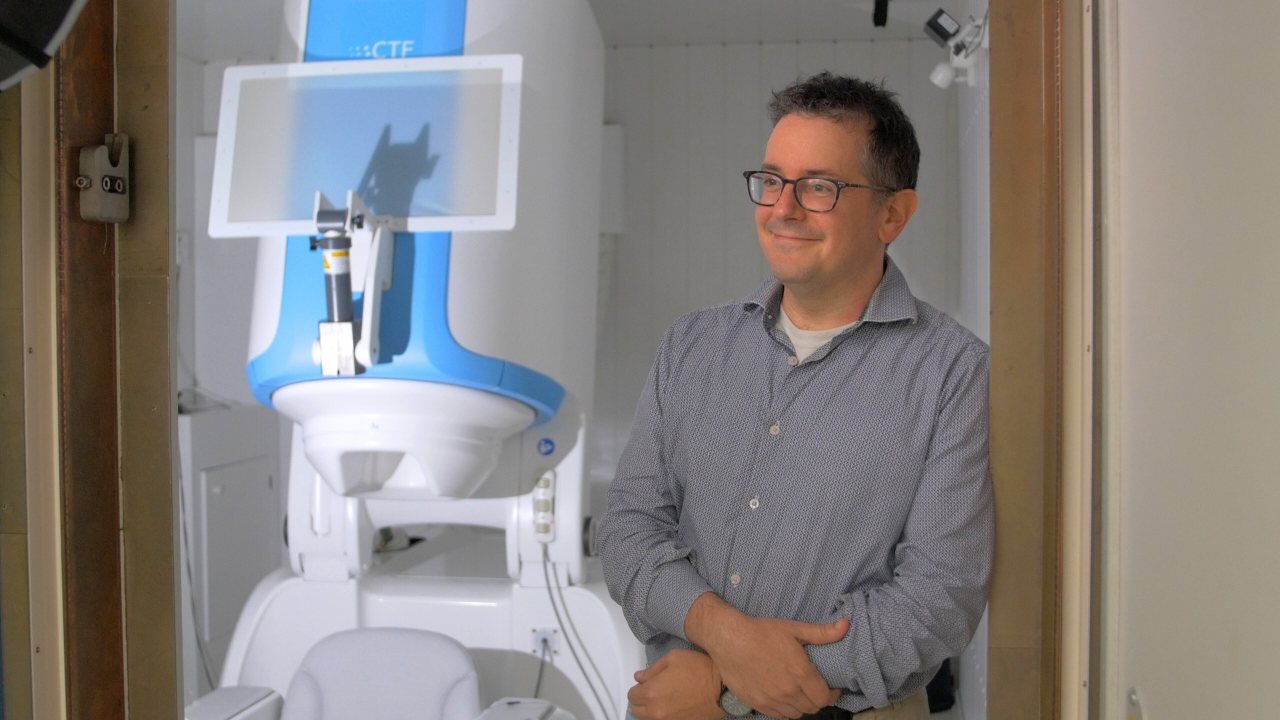
Dr. Jed Meltzer
Why Speech Could Transform Early Detection
Executive function often begins to decline well before noticeable memory problems appear, yet traditional tests aren’t always ideal. They can take a long time, feel stressful, and aren’t practical to repeat frequently. People also tend to improve through practice, which can make real cognitive changes harder to detect.
Speech, on the other hand:
- Happens naturally and effortlessly
- Can be measured regularly without stress
- Reflects real-world communication
- Reveals processing speed without time pressure
- Can be collected at scale, even from home
This makes speech analysis a promising new approach for early detection of cognitive decline, especially among people at higher risk of developing dementia.
Looking Ahead: A New Chapter in Brain Health Monitoring
Researchers emphasize the need for long-term studies that follow people’s speech over many years. Tracking these patterns could help distinguish between normal aging and early signs of cognitive disease.
In the future, simple speech assessments could become part of clinical care or even accessible through easy-to-use digital tools at home.
Early detection is crucial. Dementia is a progressive condition, and identifying changes sooner opens the door to earlier interventions and better outcomes.
Related Articles: Brain Matters, Research